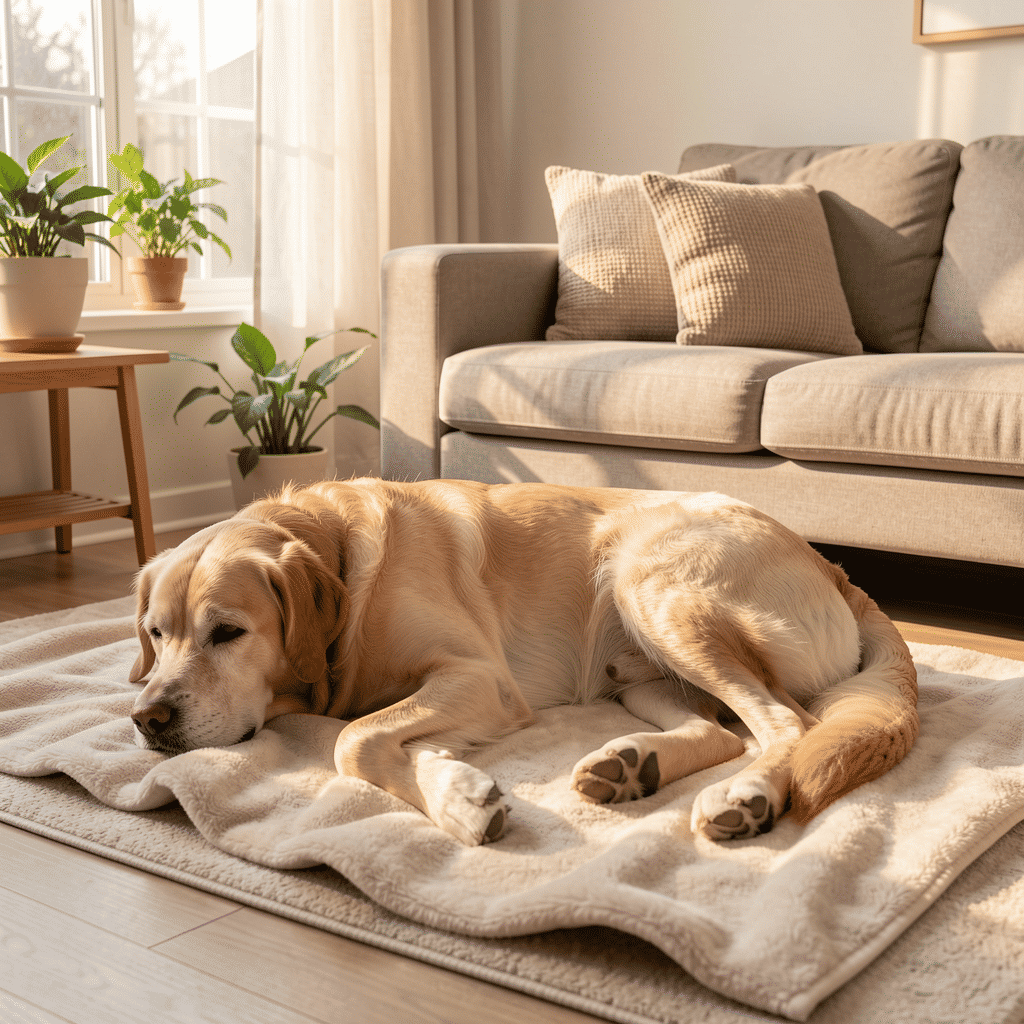
As our cherished canine companions grow older, they may face challenges with joint health that can impact their overall quality of life. Maintaining mobility and comfort in senior dogs can be achieved through natural approaches focusing on diet and exercise. Here are some strategies to support your aging dog's joint health naturally:
Balanced Diet for Joint Health
A well-rounded diet is fundamental in preserving joint health in older dogs. Providing a balanced intake of nutrients can strengthen their joints and promote overall vitality.
-
Omega-3 Fatty Acids: Incorporate sources like fish oil or flaxseed oil into their diet. These fatty acids have anti-inflammatory properties that can help reduce joint discomfort and improve mobility.
-
Antioxidants: Foods rich in antioxidants, such as blueberries and spinach, can help combat oxidative stress, which may contribute to joint health decline.
-
Glucosamine and Chondroitin: These natural compounds can be found in specific dog-friendly foods or supplements and have shown promise in supporting cartilage health and joint lubrication.
-
Bone Broth: Homemade bone broth is not only a tasty treat but also rich in nutrients like collagen, which can support healthy joints.
Gentle Exercise for Mobility
Regular, gentle exercise can help maintain a senior dog’s mobility and prevent stiffness or weakening of joints. Always tailor exercise to your dog's ability and preferences.
-
Short Walks: Regular, short walks are beneficial without overexerting your pet. Walking on softer surfaces, such as grass, can minimize joint impact.
-
Swimming: If your dog enjoys water, swimming is an excellent low-impact exercise that helps strengthen muscles and supports joint health without the risk of injury.
-
Interactive Play: Engaging your dog in mild play activities can boost joint flexibility and keep them mentally stimulated.
-
Stretching Exercises: Gentle stretching exercises can help improve your dog's range of motion and reduce stiffness. Consult with a veterinarian to ensure the exercises are appropriate for your pet.
Additional Considerations
-
Weight Management: Maintaining a healthy weight can significantly reduce stress on your dog's joints, preventing further discomfort.
-
Regular Veterinary Check-ups: Routine check-ups can help monitor your dog’s joint health and ensure any issues are addressed promptly.
-
Comfort at Home: Provide soft, orthopedic bedding to ease joint pressure and make your pet’s living space senior-dog friendly by minimizing stairs or slippery surfaces.
By focusing on a balanced diet, gentle exercise, and overall wellness, you can help ensure that your senior dog enjoys their golden years with comfort and mobility. Always consult with a veterinarian before making significant changes to your dog's diet or exercise routine to tailor the best approach for their specific needs.